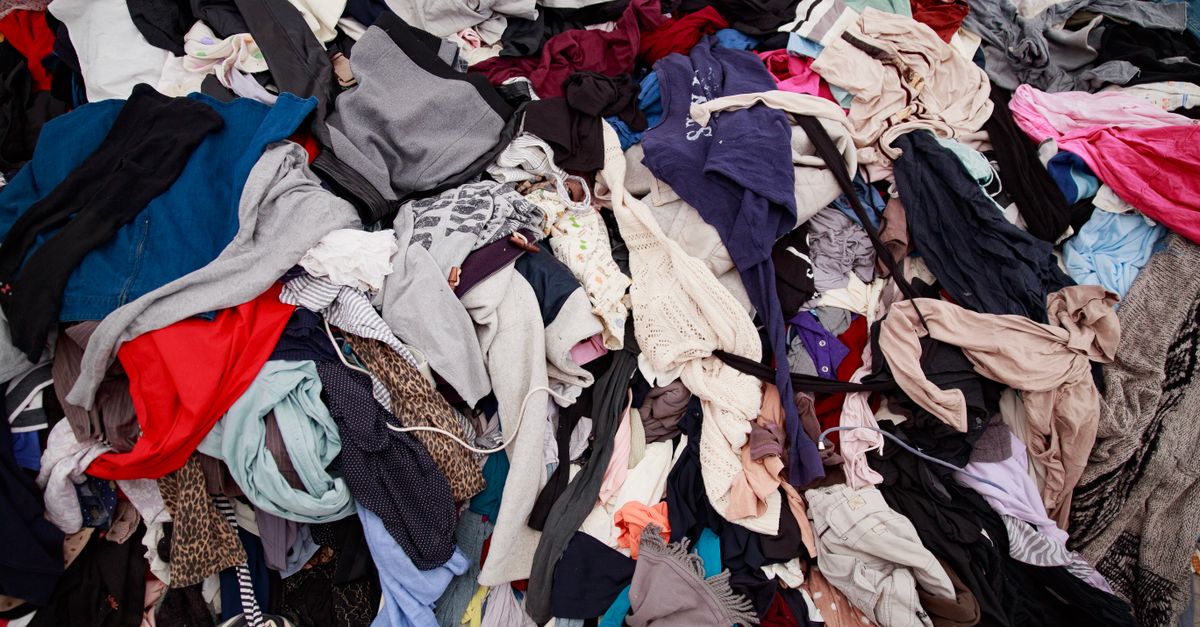
Why Your Home Always Feels Cluttered (Even After Decluttering) — And The Hidden Culprits Nobody Talks About
You’ve spent countless hours, perhaps even entire weekends, ruthlessly purging your possessions. You’ve filled donation bags, hauled boxes to the curb, and felt that satisfying, albeit fleeting, sense of relief. For a glorious moment, your home breathed. Yet, within weeks, sometimes days, the familiar creeping feeling of overwhelm returns. Surfaces are again piled high, drawers resist closing, and the illusion of a tidy home shatters. You ask yourself, Did I even declutter at all?
I’ve been there more times than I care to admit. As an organization and decluttering expert, I’ve worked with countless clients who echo this exact sentiment. They’re exhausted, frustrated, and convinced they’re simply ‘bad at organizing.’ But the truth, in my experience, is far simpler and far more insidious: most people are addressing the symptoms of clutter, not its root causes. They’re treating the visible mess without ever diagnosing the hidden culprits that guarantee its return.
What changed everything for me and for my clients wasn’t another decluttering method or a fancy storage solution. It was a radical shift in perspective, moving beyond the physical objects themselves to understand the underlying behaviors, mental traps, and often invisible systems (or lack thereof) that perpetually invite clutter back in. This isn’t about shaming; it’s about empowering you to recognize the subtle forces at play and build a home that truly stays organized.
Key Takeaways
- Persistent clutter often stems from addressing symptoms (the mess) instead of root causes (behaviors, habits, and systems).
- Recognize and counter the ‘storage solution fallacy,’ which often leads to accumulating more items and hiding clutter, not eliminating it.
- Implement a ‘one in, one out’ rule rigorously, especially for high-volume categories, to prevent accumulation.
- Establish designated ‘landing zones’ and clear boundaries for items to prevent them from sprawling across surfaces.
- Challenge the emotional attachments and ‘just in case’ mindsets that fuel clutter, prioritizing functionality and joy.
The ‘Storage Solution Fallacy’: Hiding, Not Healing
The biggest mistake I see most often is the immediate leap to buying storage solutions after a declutter. You’ve just cleared out a closet, and what’s the first thought? “Now I need more bins to keep it organized!” This is the storage solution fallacy, and it’s a trap. When you buy a new drawer organizer, a bigger shelf, or an aesthetically pleasing basket, what you’re often doing isn’t organizing; it’s just creating a more elaborate system for housing items you haven’t truly decided to part with.
In my experience, 90% of the time, new storage isn’t needed until after you’ve radically reduced the sheer volume of items. Imagine buying a fancier, larger garbage can because your current one is overflowing. Does that solve the problem of generating too much waste? No, it just gives you more capacity to hold it.
The hidden culprit here is procrastinated decision-making. You see a pile, you feel overwhelmed, and a storage solution feels like an immediate, tangible win. But those bins become black holes where things go to be forgotten, only to re-emerge months later, dusty and still undecided. What actually works is committing to a finite amount of storage before you declutter. If you have one drawer for socks, then only sock-sized items fit in that drawer. If you can’t close it, it’s not a storage problem; it’s a volume problem. Don’t buy more bins; get rid of more socks.
The Invisible Leak: Unchecked Inflow
Think of your home as a container. You can work tirelessly to empty it, but if there’s a steady stream of new items flowing in, it will inevitably fill up again. This is the ‘unchecked inflow’ problem, and it’s one of the most significant reasons clutter resurfaces.
What does unchecked inflow look like? It’s the impulse purchases that seem small at the time but add up quickly. It’s the promotional freebies from events, the ‘just in case’ purchases from bulk stores, the clothes you buy on sale because they’re a good deal, even if you don’t truly love them. It’s the children’s artwork that multiplies faster than you can display it, or the endless stream of paper mail.
To combat this, you need a proactive defense system. The most effective strategy I’ve implemented with clients is the ‘one in, one out’ rule. For every new item that enters your home in a specific category (e.g., clothing, books, kitchen gadgets), one similar item must leave. This forces a conscious decision and maintains equilibrium. For paper, create an immediate action station by your door: a shredder, a recycling bin, and one small folder for ‘actionable’ mail. Don’t let anything sit. For kids’ art, celebrate it, photograph it, and keep only a select few cherished pieces. The rest can be recycled or gifted to grandparents after a display period. This disciplined approach stems the tide of incoming items before they become clutter.
The Ambiguous Item Anarchy: No Home, No Hope
Every item in your home should have a designated ‘home.’ A specific drawer, a shelf, a hook, a box. When items lack a clear home, they become ‘ambiguous items.’ These are the items that wander. They get set down on the kitchen counter, migrate to the dining table, and eventually pile up in a corner, forming a new clutter hotspot.
The hidden culprit here is a lack of clear boundaries and designated zones. You might have a place for your keys, but what about your sunglasses, your wallet, your headphones, your reusable shopping bags? These are often the items that cause the most visible surface clutter. They’re used daily, but without a dedicated spot right where they’re needed, they become nomads.
What actually works is creating ‘landing zones’ for common ambiguous items. Near the entryway, install hooks for bags, a small dish for keys and sunglasses, and a tray for mail. In the kitchen, designate a single drawer for ‘junk’ (and ruthlessly purge it quarterly). In the living room, a small lidded basket for remotes, chargers, and small items that accumulate. Critically, these zones must be convenient. If putting something away is harder than leaving it out, it will stay out. Walk through your daily routines and identify where items typically get dropped. That’s where their home needs to be established, making tidying a seamless, almost thoughtless, act.
The ‘Just In Case’ Delusion: Future Fear vs. Present Peace
“I might need it someday.” “It was a gift, I can’t get rid of it.” “What if I lose weight and fit into it again?” These are the internal narratives that sabotage our decluttering efforts and keep items we don’t use, love, or need firmly entrenched in our homes. The ‘just in case’ delusion prioritizes a hypothetical future over your current peace of mind and functional living space.
This isn’t just about sentimentality; it’s often a subtle form of avoidance and scarcity mindset. We hold onto things out of fear of future lack, or guilt over past decisions (like spending money on something we didn’t use). This emotional attachment makes it incredibly difficult to be objective about what truly serves us now.
What actually works is creating a framework for ruthless but compassionate decision-making. I ask clients to consider three key criteria:
- Use it now: Have you used this item in the last six months? (Adjust timeline for seasonal items.)
- Love it now: Does this item bring you genuine joy or enhance your life today?
- Is it easily replaceable? If you truly needed it in the future, could you acquire it again for a reasonable cost and effort? (Think a specific screw vs. a vintage family heirloom.)
If an item doesn’t meet at least two of these criteria, it’s a strong candidate for removal. For sentimental items, designate a single small box. If it doesn’t fit, you must choose what’s most important. This framework helps depersonalize the decision and shifts focus from fear to functionality and current well-being.
The Daily Neglect Cycle: Postponed Tidiness
Even with the best systems and intentions, daily living generates mess. Dishes pile up, mail accumulates, clothes shed. The difference between a home that stays tidy and one that perpetually feels cluttered often boils down to addressing these small messes promptly versus letting them snowball.
The hidden culprit here is the perceived effort of tidying. We look at a small pile and think, “I’ll get to that later.” But ‘later’ often comes when the pile has grown, and the task feels exponentially larger and more daunting. This leads to a cycle of neglect, where small messes compound into overwhelming clutter, requiring another Herculean decluttering effort.
What actually works is integrating ‘micro-tidying’ into your daily routine. This means dedicating 5-10 minutes each evening to a quick sweep of the most visible areas: kitchen counters, living room surfaces, bedroom chairs. Put things back in their homes immediately after use, even if it feels like a tiny effort. Empty the dishwasher first thing in the morning, so dirty dishes can go straight in. Hang up clothes as soon as you take them off, or put them directly into the hamper. These seemingly insignificant actions prevent clutter from taking root. The goal isn’t perfection, but consistency. Over time, these small acts of maintenance create a habit that makes clutter feel like a distant memory, rather than an inevitable return.
Frequently Asked Questions
Q1: I’ve decluttered several times, but my home still feels visually chaotic. What am I missing?
A1: Often, visual chaos persists because of a lack of cohesiveness in decor, too many small decorative items, or items that lack a clear ‘home.’ Beyond decluttering, focus on styling: group similar items, use trays to contain small objects, and ensure your color palette and textures feel harmonious. Evaluate if every decorative item truly adds value, or if some are contributing to visual noise. Remember the principle of negative space; empty surfaces can be just as impactful as decorated ones.
Q2: How do I handle sentimental items I don’t want to get rid of, but also don’t have space for?
A2: Designate a specific, finite container (like one memory box or a small, attractive storage bin) for truly sentimental items. If new sentimental items arrive, you must decide which existing item leaves to make space. Consider digital preservation: photograph old cards, artwork, or documents before letting them go. For larger items, consider whether they can serve a functional purpose or be displayed meaningfully, rather than just stored.
Q3: My family members are the main source of clutter. How can I get them on board without nagging?
A3: The key is involving them in creating solutions, not just enforcing rules. Start by openly discussing the impact of clutter on everyone (e.g., ‘I feel stressed when the common areas are messy,’ or ‘It’s hard to find things’). Then, involve them in creating those designated ‘homes’ and landing zones, especially for their own items. Lead by example with your own decluttering and micro-tidying habits. For kids, make tidying a game or incorporate it into their routine with clear expectations and designated bins for their toys.
Q4: I struggle with the ‘one in, one out’ rule. Any tips to make it stick?
A4: Start with one category where you frequently bring in new items, like clothing or books. When you buy a new shirt, immediately go to your closet and pull out an old one to donate or discard. Don’t put the new item away until the old one is gone. Keep a donation bag readily accessible. The immediate pairing of acquisition with release helps solidify the habit and makes the trade-off tangible. Over time, it becomes second nature.
Q5: What if I truly need to buy more storage? How do I ensure it’s not just hiding clutter?
A5: If you’ve rigorously decluttered and still genuinely need storage, the first step is to measure your space and the items you need to store precisely. Choose functional, modular solutions that fit your specific needs rather than generic bins. Opt for transparent containers where possible, so you can easily see what’s inside, or label opaque ones clearly. Critically, only buy storage after you’ve reduced your items to the essential minimum, not before or during the process. This ensures you’re buying for organization, not just temporary containment.
Reclaiming your home from persistent clutter is less about a single, monumental purge and more about an ongoing relationship with your belongings and the space they inhabit. By understanding these hidden culprits – the allure of new storage, unchecked inflow, ambiguous item anarchy, the ‘just in case’ delusion, and the daily neglect cycle – you can shift from a reactive cycle of endless decluttering to a proactive system that fosters lasting order and calm. Start small, be consistent, and watch your home transform into the peaceful sanctuary you truly deserve.
Written by Maya Singh
Organization & Decluttering
Maya is a professional organizer who believes that a decluttered home leads to a decluttered mind, creating systems that truly last.